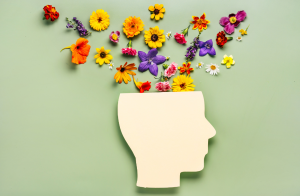
Mental Health Awareness Into Action
Everyone has times when just getting through the day feels like a challenge. Sometimes, it feels as if we have just enough gas in the tank to take care of the things that need us most, whether it be our job, school, our children, or other responsibilities. We often neglect our own needs, especially when we start believing it’s only “for now.” So we wait around, expending our time and energy hoping things magically get easier, or the situation suddenly changes because, well, surely it has to.
You already know that living like this is NOT sustainable, so you keep moving forward, going through the motions, inching closer and closer to the point of burn out. You’re waiting on something to be different so you have an opportunity to rest, to reorganize things, and to prioritize yourself, but what do you do when that chance doesn’t come along?
If you Wait for Something to Disrupt This Pattern for you, are you Willing to Wait Forever?
If the above text describes how you’ve been feeling, this is your sign to be the disruption you’ve been waiting on. Only you know what you go through in a day. Things can’t change if you stay silent on what’s going on or if you stick with the same routine (that clearly isn’t working).
This month is Mental Health Awareness Month, which aims to bring attention to our needs that might be getting ignored. More than ever, people are opening conversations around their mental health, but despite this, many stay silent on their internal struggles and suppressed feelings. It can be hard to make yourself a priority when so many other things demand your time and attention, but for the month of May, don’t wait any longer to prioritize your needs. Change starts now!
For this month, we’re taking things a step further by turning awareness into action.
Take Control of Your Health With the 6 Pillars of Lifestyle Medicine
One way you can begin converting awareness into action is by following the 6 pillars of lifestyle medicine for optimizing wellness and mental health. The pillars are backed by lifestyle medicine specialists to greatly improve or even eliminate both physical and mental health conditions, such as type 2 diabetes, obesity, and autoimmune diseases (Burke & Dunne, 2022). You don’t need a prescription for a new lifestyle, so here is what you can do to get started:
1. Nutrition
When you’ve had a long day, it’s easy to eat what’s most convenient. Instead of hitting the drive through, try preparing meals ahead of time using whole, unprocessed foods like whole grains, legumes, and vegetables. Try your best to stay away from sugary drinks and snacks, dairy products (especially high-fat types with added salt and/or sugar), and red meat. These foods are shown to be inflammatory and can contribute to weight gain in excess (Burke & Dunne, 2022).
Food for thought: try eating more leafy vegetables. Instead of grabbing a packaged snack, grab a piece of fruit or a handful of nuts and seeds. Set nutrition goals that are reasonable within the amount of time and resources available to you. Instead of changing overnight, you could try out a more realistic goal like, “I will try adding a cup of berries to my bowl of cereal each morning this week” or “I will throw cut up vegetables in my air fryer instead of french fries as a side for dinner 3 nights this week.”
2. Physical Activity
Increasing physical activity has been shown to improve mood, energy levels, and can help manage mental health conditions like anxiety, depression, and ADHD (Jaqua et al., 2023). If making time for the gym is outside of your comfort zone or level of ability, there are plenty of small ways to incorporate more movement in your daily routine.
A sedentary lifestyle keeps not just your body idle, but your mind as well. Taking breaks to get up and move if you’re stuck at a desk can make a big difference in your health. You can try taking the stairs instead of the elevator, take walks in the morning or during a lunch break, start stretching daily or get into yoga, or getting your chores done around the house can be double motivating by sneaking activity into your day (lifestylemedicine.org).
3. Sleep
Sleep is vital to our health and performance. Negative effects of sleep delays or interruptions include sluggishness, worse attention span, decreased sociability, depressed mood, decreased caloric burn during the day, increased hunger, and even brain fog (Jaqua et al., 2023). If you are struggling with sleep, you may need to consult a doctor if problems persist, but you can make the following changes to take control of your own health first:
- Got to bed and wake up at the same time every day
- Avoid alcohol, caffeine, and high-sodium foods within 3 hours of your bedtime
- Stay hydrated during the day
- Limit screentime throughout the day, but especially before bed
- Consult your care team for stress, anxiety, or worry that keeps you up at night
Make sure your goals with sleep are specific, measurable, and achievable. Don’t overwhelm yourself with unrealistic goals like “I will not look at my phone at all once I get home from work.” Rephrase lofty goals into statements that you actually believe you can do . You could start with something simpler and more attainable, like “I will replace screentime with reading for 30 minutes before my bedtime.”
4. Stress Management
Stress is part of our daily lives. The way we manage and think about our stress can either have a negative or positive effect on our general well-being. Eustress is a positive form of stress that can help with motivation and accomplishing tasks, while distress is a negative form that can cause feelings of anxiety and physical health problems (lifestylemedicine.org).
A way to manage stress is to change the way we can look at our situation and focus on what is going well instead of what we cannot change. A hardship can be reframed by seeing it as an opportunity for growth instead of seeing it as overwhelming. This mindset shift can impact our emotional and mental response!
Three tips that can significantly reduce stress and calm the mind:
- Keep a gratitude journal! This has been shown to lower stress levels and improve mental health.
- Make time to relax and have fun! We need time to take a break to refresh and get back on the right track.
- Deep breathing techniques such as Box Breathing can help reduce anxiety and regulate the nervous system.
5. Social Connection
We are social creatures and are wired for connection. Social connections and relationships are so important to our physical, mental and emotional health. Did you know that our blood pressure and heart rate improves with even a short burst of positive human interaction (lifestylemedicine.org)?
Where can you go to form new social connections? Here are some places and ideas if you have no idea where to begin!
- Volunteer! Common interests help to relate with one another and form friendships. Volunteer at a local animal shelter, hospitals, or environmental cleanups in your community.
- Go to weekly exercise group classes where you can meet new people and work on your physical fitness, which is an added bonus!
- Check out some music or art festivals in the area. You just never know who you might meet.
Social connections can help us to reinforce healthy practices in our lives.
6. Avoiding Risky Substances
Alcohol and tobacco are shown to increase the risk of chronic diseases (lifestylemedicine.org). It is important to be mindful of where you are and what situations can put you at risk. If you are consuming alcohol and using tobacco where it is affecting your health, there are plenty of treatment options available to you!
Sources
Burke, J., & Dunne, P. J. (2022). Lifestyle medicine pillars as predictors of psychological flourishing. Frontiers in Psychology, 13, 963806. https://doi.org/10.3389/fpsyg.2022.963806
Gulati, M. G. (n.d.). A clinician’s perspective on type 2 diabetes and lifestyle medicine: Metabolic health is mental health. American College of Lifestyle Medicine. https://lifestylemedicine.org/articles/metabolic-health-is-mental-health/
Jaqua, E., Biddy, E., Moore, C., & Browne, G. (2023). The impact of the six pillars of lifestyle medicine on brain health. Cureus, 15(2), e34605. https://doi.org/10.7759/cureus.34605