Transcranial Magnetic Stimulation
“I’ve been hearing about this treatment for a while and I’m not sure I understand what it is. It sounds pretty intense and even though I’m struggling with my mental health, I don’t think it’s worth it. It seems like a huge commitment, and I struggle with just getting through the day.”
We hear you. Transcranial magnetic stimulation, or TMS may seem daunting to some, but there is a good reason people are breaking the mold of traditional treatment in favor of something that works differently.
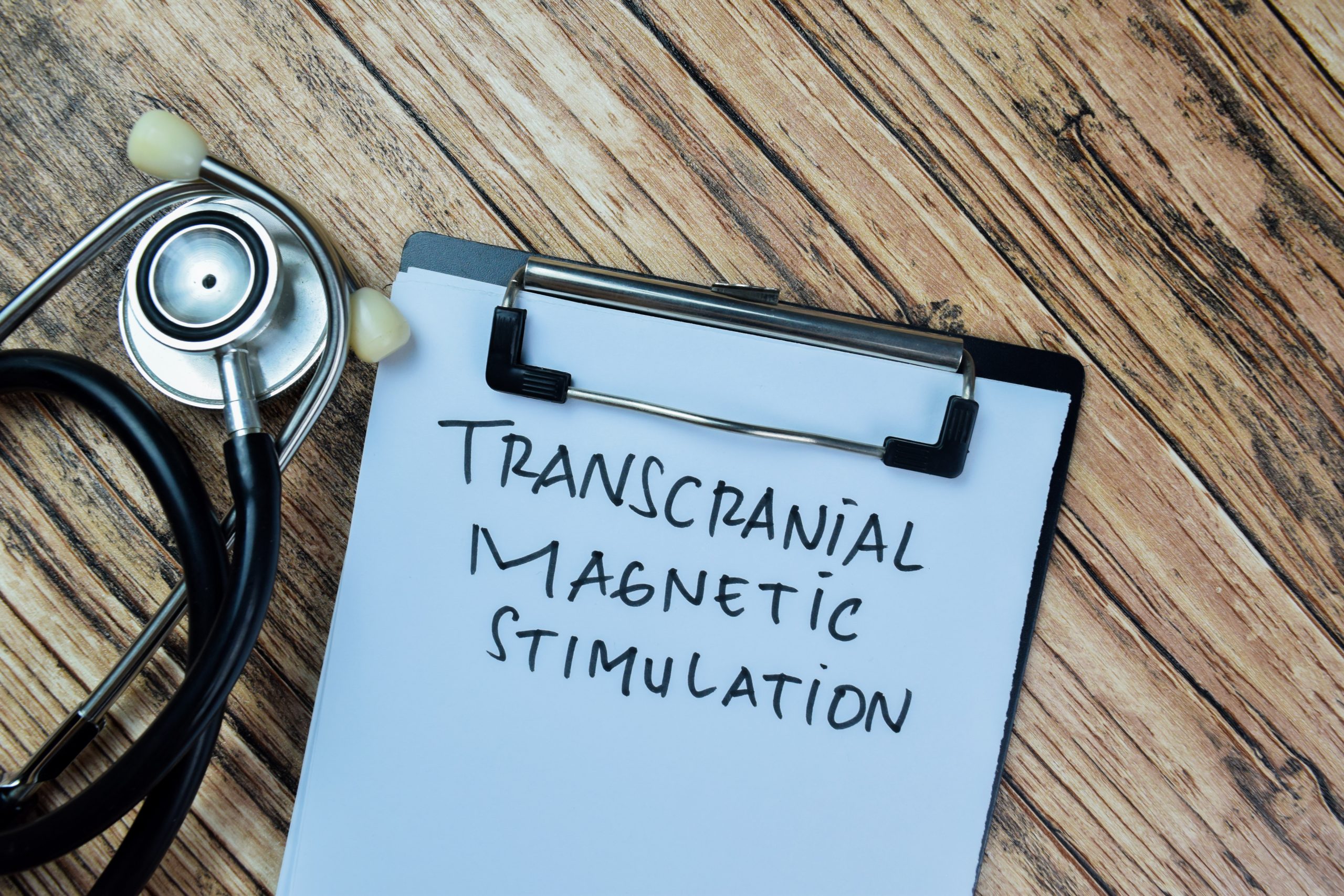
TMS is a cutting-edge, non-invasive treatment for depression, anxiety, PTSD, OCD, addiction, attention, stress reduction and other mental health conditions. TMS therapy uses magnetic fields to stimulate nerve cells in the brain, offering an alternative for those who have not responded to traditional treatments or don’t want to take medications.
What is it Like Being a TMS Patient?
You will meet your experienced TMS technician who will be seeing you for 3-5 days each week for the next several weeks. While in session, you can chat, relax, listen to music, or read a book. Many patients find it possible to fit their sessions into their routine or their work/class schedule. For those who struggle with sticking to a routine, this is just the thing to get out of the house and find time to do something that’s just for you.
Our patients are met with experienced, caring team members that are invested in your experience and your outcome. Our technician has facilitated thousands of treatments and has seen countless people attain the results they were hoping for. We set realistic expectations for our patients and make sure they feel heard and respected.
TMS can be tailored to your exact concerns. Different areas of the brain are associated with different everyday functions that may be affected when dealing with mental health issues. We are able to target these treatment sites and administer as much stimulation as needed. This means the frequency you have to come to the office may look different depending on your needs. Most sessions are around 15 or 20 minutes, but some are much shorter or could even go longer.
We offer 8 weeks or 30 sessions as the standard course of TMS at our practice. Within that timeframe, our only expectation is that you stay consistent with your appointments to have the best outcome possible, and to communicate your needs with our staff so we can facilitate your success.
Does it Hurt?
The vast majority of people would say, “no.” Some patients report that they find it uncomfortable at first, but that’s exactly why we meet them where they’re at and work up slowly.
We figure out in the beginning the output level you would have to receive from the magnetic coil in order for the stimulation to actually do something and be considered therapeutic. You can think of this as finding the right dose on a new medication. Using this example, we would start you at an introductory dose to get you and your body used to it, and then when you’re ready, we titrate up safely to the next dose. And so it goes until you’re where you need to be.
To reiterate, it is NOT supposed to be uncomfortable or painful and slight adjustments to the position of the coil are normally enough to relieve any issues. The patients I’ve treated are able to read a book, listen to podcasts, hold a conversation, or even fall asleep while having a session. [Let it be noted: we would prefer patients choose a different activity than sleep while getting TMS done.]
We do NOT enjoy putting people through unnecessary discomfort. It is completely up to the patient if they are able to tolerate the sensation and want to keep going in order to receive the potential (and very likely) benefits. We would not want any part of the TMS experience to be stressful or unpleasant since that would be counterintuitive to what we’re trying to accomplish together.
So, This Isn’t Going to be Like Shock Therapy?
TMS is not the same thing as electroconvulsive therapy (ECT), which is also commonly referred to as “electric shock therapy.” People will often conflate the two due to ECT being another type of stimulation to the brain. The key differences between TMS and ECT are:
- ECT uses electrical current to stimulate the brain, while TMS uses magnetic pulses that are more gentle and easier to control.
- ECT induces a seizure to reset the brain. TMS patients are completely awake and alert during the entire session.
- You do NOT have to be sedated in order to receive TMS. This means you can attend a TMS session in the middle of your work day and drive yourself back to the office without drowsiness.
- TMS has virtually no long-term side effects, while ECT is well known to cause cognitive defects, temporary amnesia, and permanent gaps in memory.
- TMS is tolerable. There can be minor discomfort initially, but patients acclimate to the sensation quickly and are able to hold conversations, watch TV, and relax while in a session. The same cannot be said for ECT.
Does TMS Really Work?
Short answer: yes.
TMS has been shown to decrease symptoms related to anxiety and depression such as brain fog, sadness, fatigue, restlessness, emotional irregularities, and motivation. More recent studies have come out showing that TMS protocols can reach up to a 79% remission rates in patients with severe depression. Most rates of symptom reduction (by at least 50%) have been found in clinical trials to be somewhere around 40-60%, but most clinicians find even higher rates than that. This could be due to patients receiving treatment in more comfortable, natural environments with staff members they know and trust opposed to a sterile laboratory.
What are the Potential Risks?
TMS is known to cause some potential side effects in the beginning while getting used to the sensation. Typically, the acclimation process may include scalp discomfort, mild headaches, and sleepiness later in the day after a session. All of this is normal and once your brain is used to the new routine, it should subside. If any issues linger past the first few days, we can make adjustments to ensure your comfort.
How do I Know if TMS is Right for me?
The risks of TMS are mitigated by a proper evaluation performed by our clinicians. TMS may not be a good idea for people who have certain types of devices that could be negatively affected by TMS treatment or metal around the treatment site.
How do I get Started?
If you’re ready to take the next step or simply have questions about our services, visit our Contact Us page to get in touch with our team. You can call, text, email, or submit the online contact form, and we’ll help guide you through the next steps.
Sources