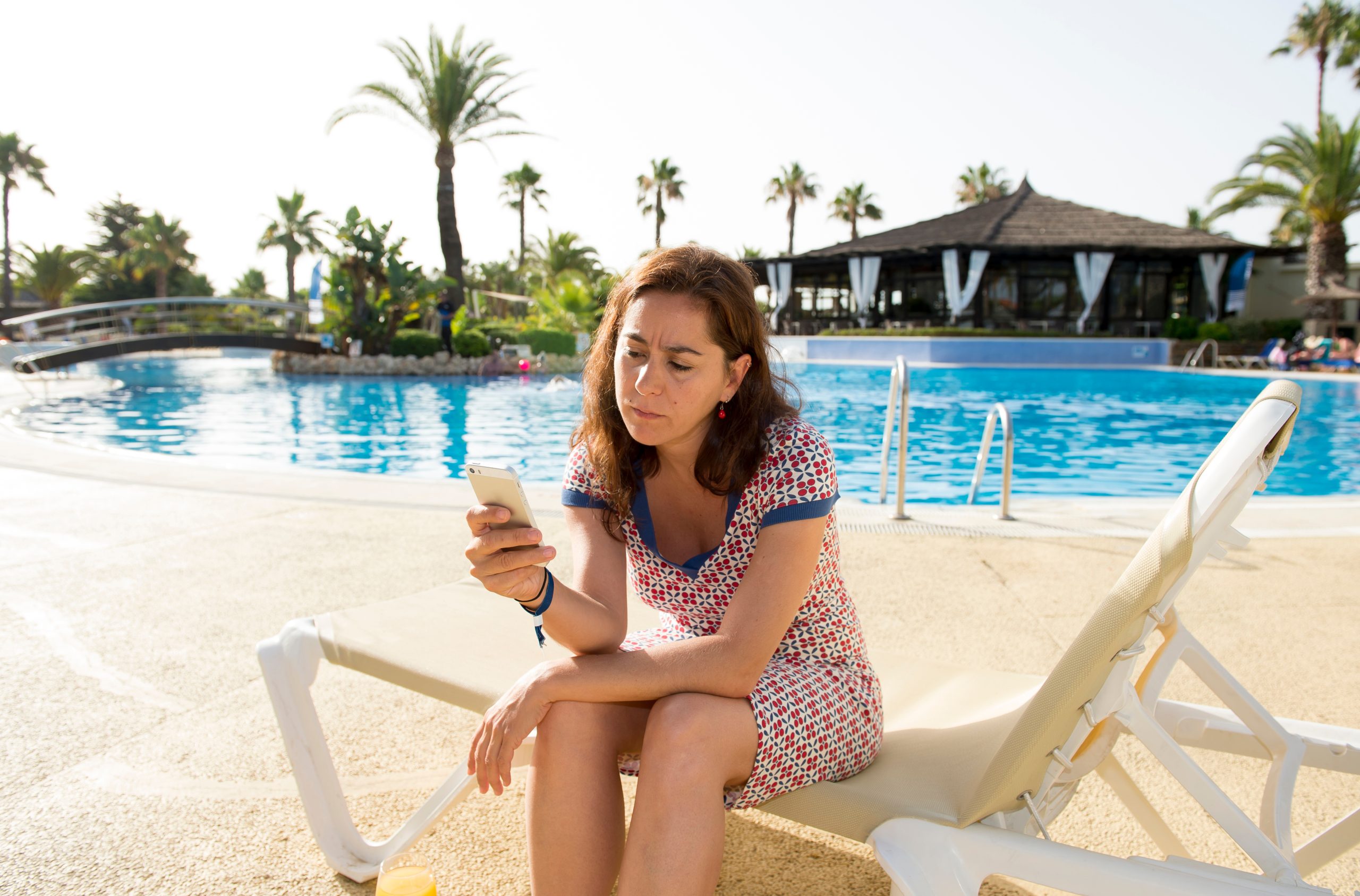
Why do I Feel Guilty on Vacation? Understanding Vacation Guilt and Mental Health
Vacations are often seen as the reward for working hard. We picture ourselves relaxing, making memories, and coming home refreshed. But for many people, that’s not what happens.
Instead, you may find yourself checking work emails, worrying about what you’re missing, feeling guilty about the money you spent, or wondering why you aren’t enjoying yourself as much as you expected.
If this sounds familiar, you’re not alone. Vacation guilt is common, and it can feel even more intense for people living with anxiety or depression.
Why Does Vacation Guilt Happen?
Many of us grow up believing that rest has to be earned. Over time, productivity becomes tied to our self-worth, making it difficult to truly disconnect.
The truth is that rest isn’t a reward. It’s an important part of maintaining both your physical and mental health.
What Does Vacation Guilt Feel Like?
Vacation guilt can look different for everyone, but common experiences include:
- Feeling like everyone else is enjoying the trip more than you are
- Wondering if you “deserve” the time away
- Feeling guilty about spending money or taking time off work
- Worrying about everything waiting for you back home
- Comparing reality to the vacation you imagined
When expectations and reality don’t match, guilt often fills the gap.
When Depression Makes it Hard to Enjoy Your Vacation
Depression doesn’t disappear simply because your surroundings change.
You may experience:
- Low energy
- Difficulty enjoying activities (anhedonia)
- Poor sleep
- Emotional numbness
- Persistent negative thoughts
Many people expect a vacation to “fix” how they’re feeling. When it doesn’t, they often blame themselves instead of recognizing that depression may still be affecting them.
When Anxiety Comes Along for the Trip
Anxiety has a way of following us wherever we go.
Instead of enjoying the present, your thoughts may focus on:
- “Should I be working?”
- “Was this trip worth the money?”
- “Am I falling behind?”
- “What if something goes wrong?”
When your mind stays in problem-solving mode, it’s difficult to fully experience the moment.
How to Reduce Vacation Guilt
Vacation guilt doesn’t have to control your time away.
Practice Grounding
If your thoughts begin racing, pause and focus on what you can see, hear, feel, smell, or taste. Bringing your attention back to the present can help quiet anxious thinking.
Remember That Rest is Productive
Taking time to recharge isn’t avoiding responsibility. Rest helps your mind and body recover so you can return with greater clarity, energy, and resilience.
Make Rest Part of Your Routine
Vacations are valuable, but they shouldn’t be your only opportunity to recover. Simple habits like taking walks, unplugging from technology, spending time outdoors, or scheduling regular downtime can help prevent burnout year-round.
Vacations Help, but They Aren't Treatment
Vacations can reduce stress and provide a healthy reset, but they don’t treat anxiety or depression.
If feelings of sadness, guilt, or emotional exhaustion continue long after the trip ends, there may be an underlying mental health concern worth addressing.
When it may be Time to Reach Out
If you consistently struggle to relax, find it difficult to enjoy experiences you once loved, or feel overwhelmed by guilt even during time away, talking with a mental health professional may help.
At TWA Psychiatry, we believe caring for your mental health isn’t something you have to earn. Whether you’re navigating anxiety, depression, or burnout, support is available to help you feel more like yourself again.
Sources