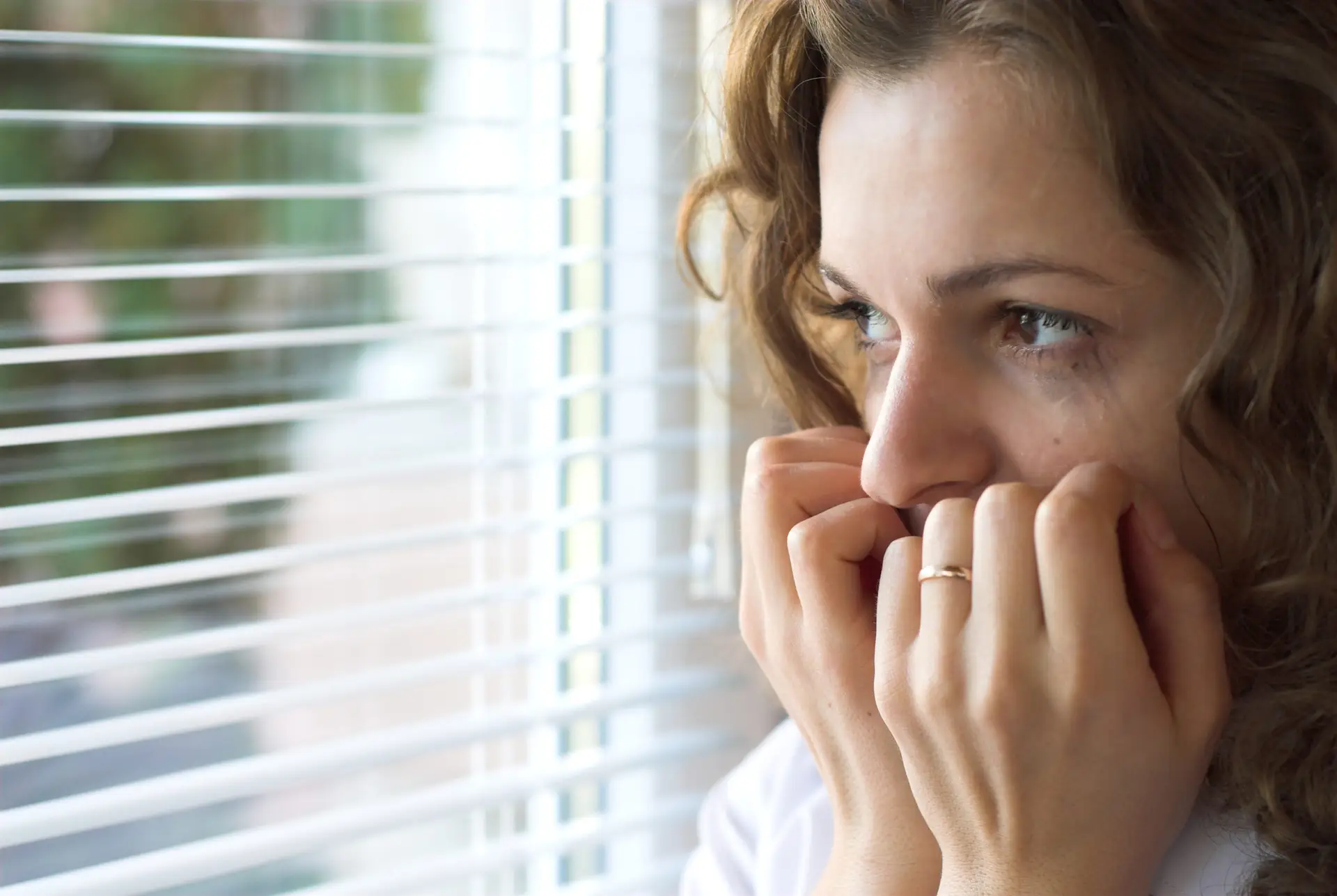
The Science of Fear: What Happens to Your Brain and Body When You're Scared?
October is the season of scary movies, haunted houses, and things that go bump in the night. But have you ever wondered what’s actually happening inside your brain when something scares you? Whether it’s a sudden jump scare, a stressful conversation, or an overwhelming thought that won’t go away, fear triggers a complex response throughout your nervous system.
And while fear can sometimes feel uncomfortable or even debilitating, it’s actually one of your body’s oldest protective mechanisms. Let’s take a closer look at the science behind fear, why some people experience it more intensely than others, and what you can do to help your nervous system feel safe again.
*Halloween Giveaway details are at the bottom of this blog!*
Your Brain on Fear: The Fight-or-Flight Response
When your brain detects a potential threat, a small structure called the amygdala helps initiate your body’s alarm response. The amygdala plays an important role in processing emotions, particularly fear. When it identifies something potentially dangerous, it communicates with other parts of the brain to prepare your body for action. This activates your sympathetic nervous system, which is responsible for the familiar fight-or-flight response.
Within moments, you may notice:
- Your heart begins beating faster.
- Your breathing becomes quicker or shallower.
- Your muscles tense in preparation for movement.
- Your senses become more alert.
- Your digestive system temporarily slows down.
- Stress hormones, including adrenaline and cortisol, help your body respond.
These changes are designed to protect you. Thousands of years ago, this response helped humans escape predators and survive dangerous environments.
Today, however, your brain can activate similar responses during situations that aren’t physically dangerous, like giving a presentation, dealing with financial stress, or anticipating a difficult conversation. Your body may react as though you’re facing a serious threat, even when the danger is emotional or psychological.
Why Fear and Anxiety Feel So Similar
Fear and anxiety are closely connected, but they aren’t exactly the same.
Fear is typically a response to an immediate or identifiable threat.
Anxiety often involves anticipating something that might happen in the future.
For example:
- Fear might happen when a car suddenly swerves into your lane.
- Anxiety might happen when you spend hours worrying about driving the next day.
Both experiences can activate overlapping systems in the brain and body, which explains why their physical symptoms often feel so similar. You might experience a racing heart, sweating, muscle tension, difficulty concentrating, or an uncomfortable feeling in your stomach.
The difference is often related to whether your brain is responding to something happening right now or something it believes could happen later. When anxiety becomes persistent, the body’s threat-detection systems may remain more active than necessary, making it difficult to fully relax even in safe environments.
The Vagus Nerve: Your Body's Built-In Calming System
Your nervous system doesn’t just have a mechanism for responding to threats. It also has systems that help your body recover afterward. One important part of this process involves the vagus nerve.
The vagus nerve is a major component of the parasympathetic nervous system, which helps regulate functions such as heart rate, digestion, and recovery after stress. While the sympathetic nervous system helps prepare your body for action, the parasympathetic nervous system supports a return toward a calmer physiological state.
The vagus nerve plays an important role in this regulation. Activities such as slow, comfortable breathing and relaxation exercises may help support the body’s natural recovery response. Although these techniques aren’t guaranteed to stop anxiety immediately, practicing them regularly may make stressful moments easier to navigate.
Why Some People Experience Fear More Intensely
Not everyone responds to fear in the same way. Two people can experience the exact same situation and have completely different emotional and physical reactions.
Several factors can influence how strongly someone experiences fear, including:
- Past experiences: Previous stressful or traumatic events can influence how the brain interprets future situations.
- Chronic stress: Prolonged periods of stress may make the nervous system more reactive to perceived threats.
- Sleep quality: Inadequate sleep can affect emotional regulation and make stressful situations feel more overwhelming.
- Mental health conditions: Anxiety disorders, post-traumatic stress disorder, and other conditions may affect how frequently or intensely someone experiences fear.
- Individual differences: Genetics, temperament, and learned responses can also influence the way fear is processed.
Experiencing fear intensely doesn’t automatically mean something is wrong. However, when fear begins interfering with everyday activities, relationships, sleep, or overall well-being, it may be worth exploring what’s happening beneath the surface.
Five Ways to Help Calm Your Nervous System
When your body enters a heightened state of alertness, trying to simply think your way out of fear isn’t always effective. Sometimes, it helps to start with your physical response.
Here are five strategies that may help:
- Slow Down Your Breathing: Stress often causes breathing to become faster and shallower. Try inhaling gently through your nose for four seconds and exhaling comfortably for six seconds. Repeat for a minute or two, without forcing your breath. Longer, relaxed exhalations may help encourage the body’s natural calming response.
- Try the 5-4-3-2-1 Grounding Technique: Grounding exercises can help redirect attention away from distressing thoughts and toward the present moment. Identify: 5 things you can see, 4 things you can feel, 3 things you can hear, 2 things you can smell, and 1 thing you can taste. This technique can be particularly helpful when anxious thoughts begin spiraling.
- Release Physical Tension: Fear often causes muscles to tighten without us realizing it. Try gently relaxing your shoulders, unclenching your jaw, and releasing tension in your hands. You can also practice progressive muscle relaxation by briefly tensing and then relaxing different muscle groups.
- Move Your Body: Gentle physical activity can help regulate stress and improve overall emotional well-being. A short walk, stretching, or light movement may help release some of the physical restlessness that accompanies anxiety.
- Remind Yourself of Your Current Surroundings: When anxiety is focused on a future possibility, bringing your attention back to the present can be helpful. Ask yourself: What is happening right now? Am I responding to an immediate danger or something I’m anticipating? What is one small thing I can do in this moment? These questions may help create space between an anxious thought and your response to it.
When Fear Becomes More Than a Temporary Response
Occasional fear and anxiety are normal parts of being human. But persistent or excessive fear can sometimes indicate that additional support would be beneficial.
Consider reaching out to a mental health professional if you notice:
- Frequent anxiety that feels difficult to control
- Panic attacks or intense physical fear responses
- Avoiding everyday situations because of fear
- Ongoing sleep difficulties related to worry
- Feeling constantly on edge or unable to relax
- Fear or anxiety that interferes with work, relationships, or daily activities
These experiences can have multiple underlying causes, which is why a comprehensive evaluation can be helpful. Understanding the relationship between your thoughts, physical health, nervous system, and daily experiences can provide a more complete picture of what’s contributing to your symptoms.
A Halloween Treat for Your Mental Health: Join Our 13 Days of Wellness Giveaway!
Taking care of yourself doesn’t have to be scary! In celebration of Halloween, TWA Psychiatry is hosting our 13 Days of Wellness Giveaway, encouraging our community to explore small, meaningful ways to support mental and physical well-being.
From October 19 through October 31, 2026, we’re sharing 13 simple wellness challenges focused on mindfulness, relaxation, healthy routines, and self-care. And there’s an extra treat!
One lucky winner will receive an Oura Ring, a wearable device designed to provide insights into sleep, activity, and other wellness metrics.
How to Participate
Visit our Instagram or Facebook page at @twapsychiatry and follow along with our Halloween wellness challenges. Here’s how to join the fun:
Follow @twapsychiatry on Instagram.
Like the giveaway announcement and wellness challenge posts.
Answer the question featured in the comments of each wellness challenge carousel.
Tag a friend on our initial giveaway announcement for an optional bonus entry.
Each challenge carousel will feature a different question, giving you opportunities to participate throughout the event. The wellness activities themselves are completely optional. They’re designed to encourage healthier habits without adding pressure to your day.
13 Days, 13 Opportunities to Prioritize Yourself
Throughout the challenge, we’ll explore simple activities such as practicing gratitude, getting outside, creating a relaxing bedtime routine, taking a break from doomscrolling, and connecting with people who matter to us. These small moments of care can become meaningful parts of a healthy routine. Our giveaway concludes on October 31, 2026, so be sure to visit our Instagram page for the latest challenges and participation details.
No purchase necessary. Eligibility requirements and official giveaway rules apply. This giveaway is not sponsored, endorsed, administered by, or associated with Instagram, Meta, or Oura.
Taking the Fear Out of Mental Health Care
Fear is an essential part of being human. It helps us recognize danger, respond to challenges, and protect ourselves. But when your nervous system remains in a constant state of alertness, even ordinary experiences can begin to feel overwhelming.
At TWA Psychiatry, we believe mental health care should begin with understanding the whole person. Through comprehensive psychiatric evaluations and individualized care, we work to identify the factors influencing your emotional well-being and develop a plan that supports your needs. If anxiety, persistent fear, or overwhelming stress has been affecting your daily life, you don’t have to navigate those experiences without support.
Sources